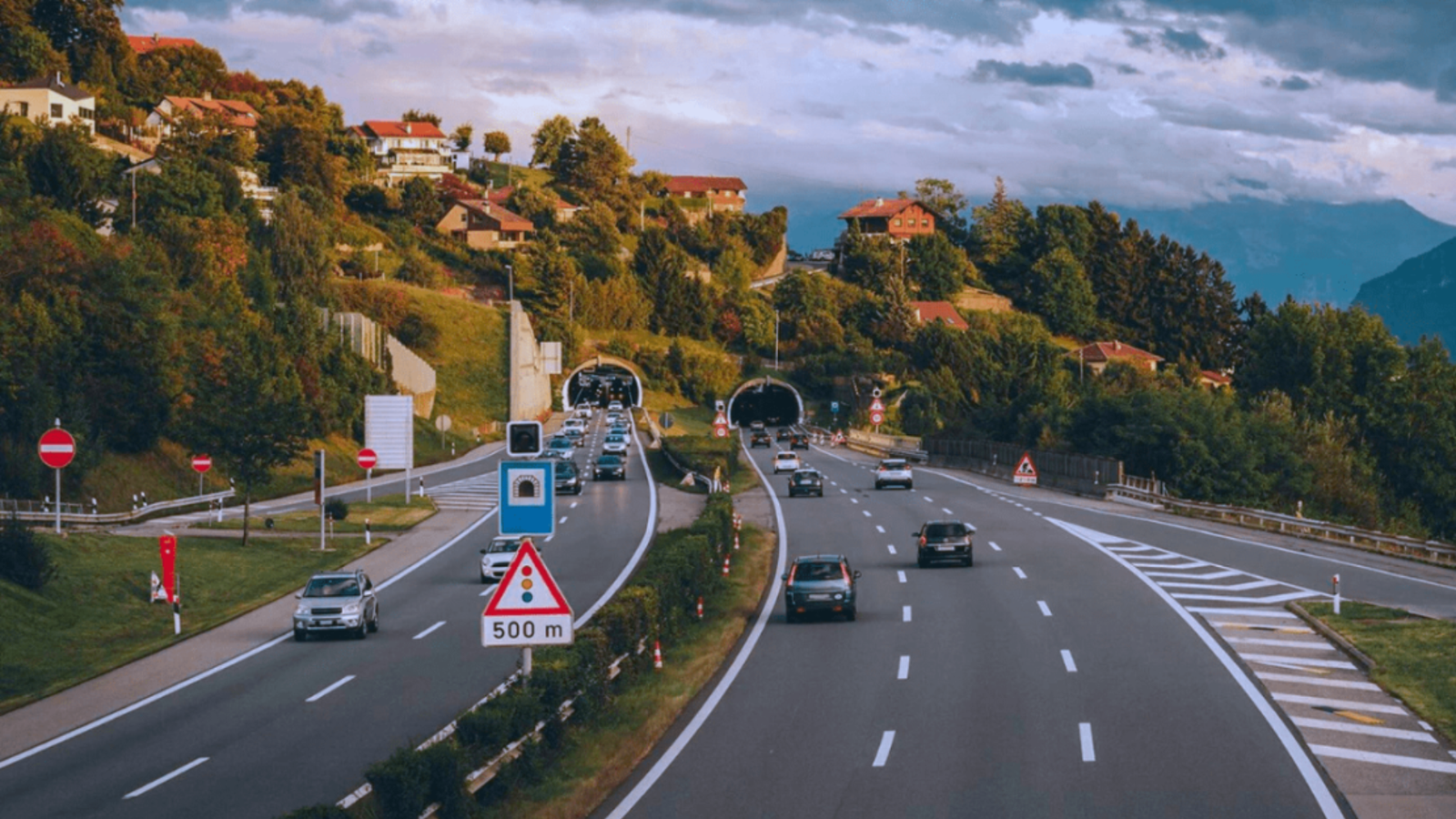
Swiss motorways have long been among the highest-quality roads in Europe, but 2026 shows that even perfectly maintained infrastructure cannot completely solve the problem of increasing traffic across the Alps. The country continues investing in tunnel modernization, safety systems, and traffic management, while also increasingly trying to reduce congestion on the busiest routes.
For drivers, Switzerland is specific mainly because of its enormous emphasis on safety, smooth traffic flow, and strict compliance with regulations. In some situations, the biggest issue is therefore not road quality, but simply the volume of traffic itself.
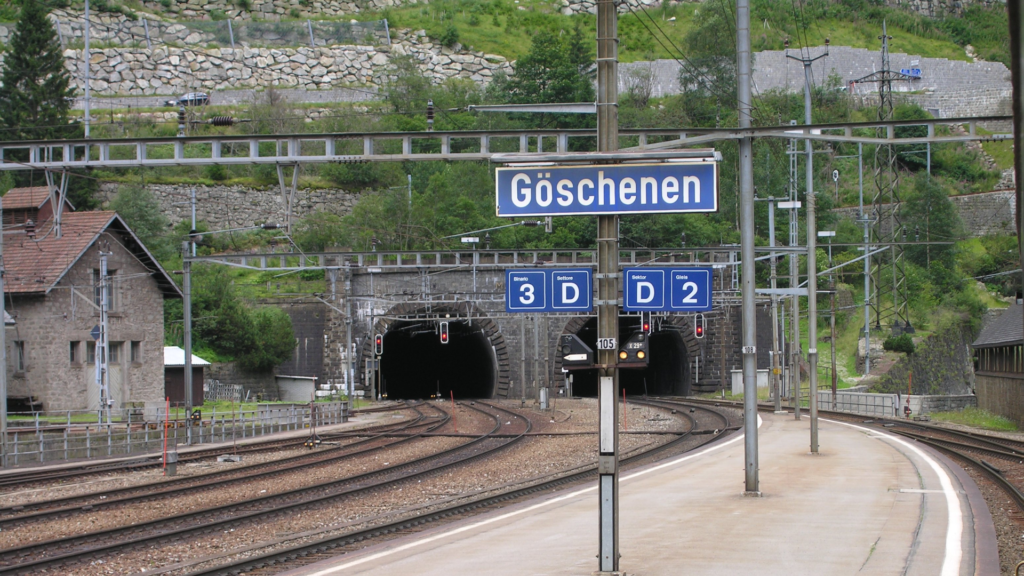
Gotthard Tunnel: The Second Tube Is Changing the Future of Transport
One of the largest infrastructure projects in Switzerland remains the second tube of the Gotthard Road Tunnel. Intensive work continues in 2026, and the project remains one of the main topics in Swiss transport policy.
The goal is not to increase capacity, but mainly to improve safety and allow future renovations without completely closing the main Alpine connection between the north and south of the country.
However, even during construction, increased traffic and more frequent restrictions can already be noticed on some routes around the tunnel.
Traffic Jams Before the Tunnels Remain a Common Reality
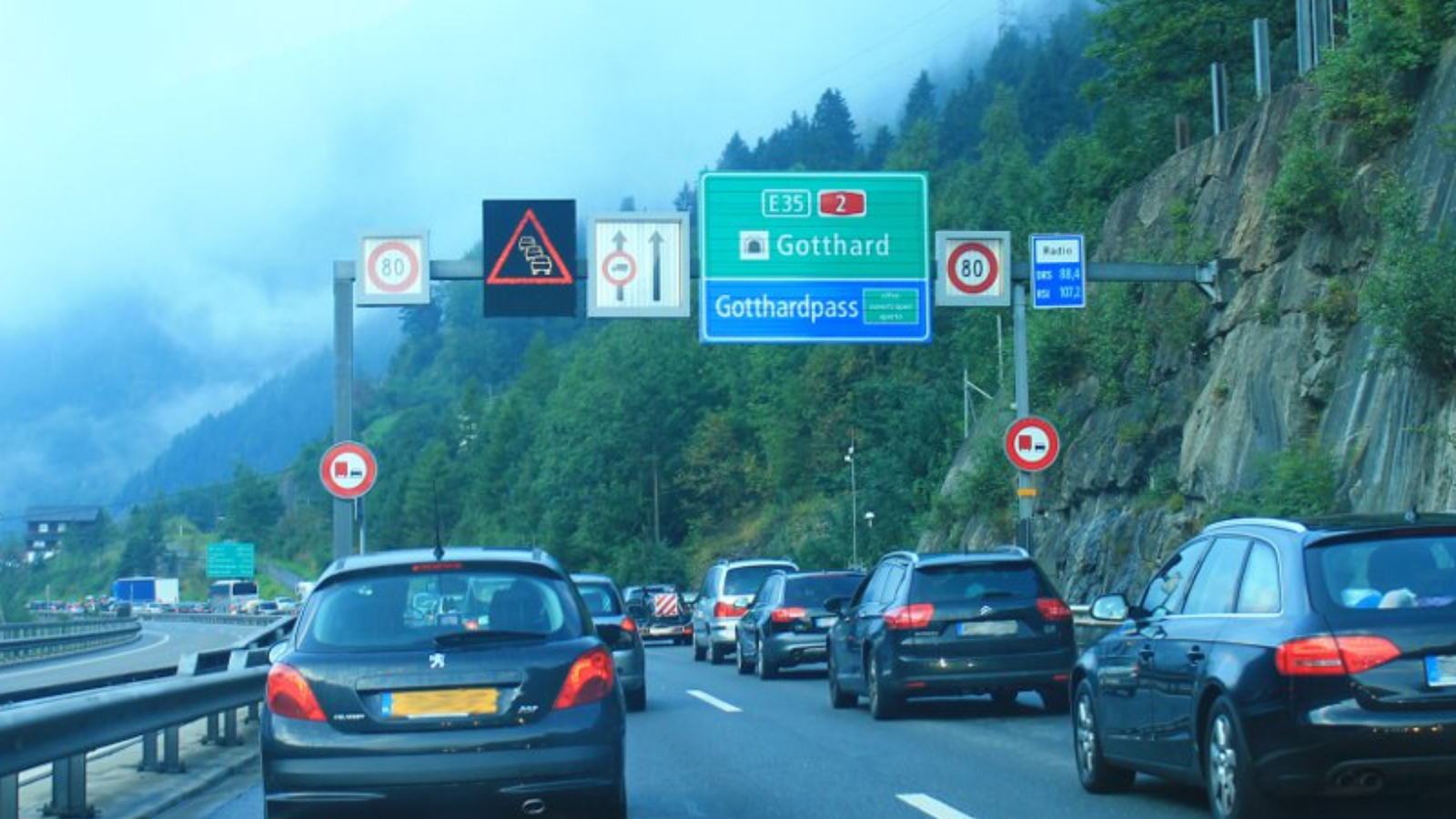
Even in 2026, long traffic jams before the Gotthard Tunnel continue during weekends, holidays, and the summer season. On the worst days, waiting times before the tunnel can exceed several hours.
Seasonal traffic toward Italy remains one of the biggest problems of the entire Swiss motorway network.
Alpine Passes: Weather Still Decides
Even modern tunnels have not completely eliminated the importance of mountain passes. Some routes remain heavily dependent on weather conditions, and in 2026 regular seasonal restrictions or temporary closures continue.
This mainly concerns:
Higher mountain roads
Passes outside the main tunnel routes
Areas at risk of avalanches or landslides
When traveling outside the main motorway corridors, it is therefore still worth checking current conditions.
Switzerland Continues Restricting Truck Traffic Across the Alps
One of Switzerland’s long-term goals is to reduce the amount of freight traffic crossing the Alps. Therefore, stricter rules and high fees for truck transport continue in 2026.
The country is trying to move part of freight transport onto railways, and protecting the Alpine environment remains an important political topic.
For ordinary drivers, this mainly means:
Frequent controls
Strong emphasis on regulations
Strict traffic regulation in some regions
Intelligent Traffic Management Is Visible Almost Everywhere
Swiss motorways are among the most technologically advanced in Europe. In 2026, it is common to see:
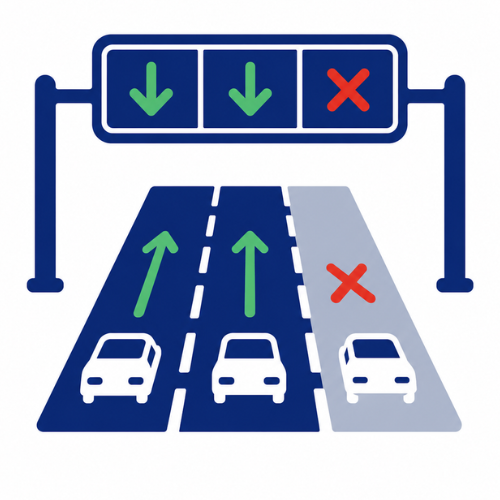
Dynamic speed management
Variable traffic signs
Automatic traffic jam warnings
Intelligent tunnel management systems
Speed limits can therefore change depending on weather or traffic density, and drivers must pay closer attention to current road signs.
Charging Infrastructure for Electric Vehicles Continues to Grow
Switzerland continues rapidly expanding charging stations along motorways. The largest number of new charging points is being added on routes:
Between Zurich and Italy
Around Bern
In the Geneva area
For electric vehicles, Switzerland is now among the best-prepared countries in Europe.